In the fast-paced world of global logistics and warehousing, loading docks are the heartbeat of the supply chain. However, they are also highly vulnerable points for energy loss, product contamination, and safety hazards. According to industry energy audits, an unsealed or poorly sealed loading dock can result in up to 40% of a facility’s heating or cooling energy escaping. This makes the selection of reliable dock seal manufacturers a strategic decision rather than a simple purchasing task. A premium dock seal does more than just close a gap; it protects sensitive cargo from harsh weather, ensures occupational safety for warehouse staff, and significantly reduces utility overheads.
For B2B procurement managers and facility engineers, finding a manufacturing partner that combines material science expertise, robust production capabilities, and flexible customization is paramount. This comprehensive guide explores the essential factors involved in evaluating top-tier sealing solutions, delves into the technical aspects of rubber manufacturing, and highlights why Bode Dynamic (Bode Seals)—with its unique blend of German engineering and efficient Chinese manufacturing—stands out as the premier choice in the global market.
H2: Essential Knowledge: Understanding Dock Seal Materials and Applications
To make an informed purchasing decision, buyers must first understand the fundamental science behind industrial sealing. Dock seals are subjected to extreme mechanical stress, friction from heavy-duty trucks, UV radiation, and severe temperature fluctuations. Choosing the wrong material can lead to premature cracking, compression set failure, and costly facility downtime.
Key Material Types in Sealing Manufacturing:
- EPDM (Ethylene Propylene Diene Monomer): Highly recommended for outdoor applications. EPDM offers exceptional resistance to ozone, UV rays, and extreme weather. It retains its flexibility in freezing temperatures, making it ideal for cold-storage loading docks.
- Polyurethane: Known for its high abrasion resistance and tear strength. It is often used in high-traffic distribution centers where trailer friction is a constant challenge.
- Nitrile Rubber (NBR): While more commonly used in oil seals, specifically engineered NBR blends are utilized in environments where dock seals might be exposed to industrial oils, chemicals, or automotive fluids.
What Causes Dock Seals to Fail?
- Compression Set: When a truck compresses a seal for hours, low-quality rubber loses its elastic memory and fails to rebound, leaving permanent gaps.
- Friction Wear: Up-and-down movement of loading trucks (known as trailer creep) continuously grinds against the seal.
- Environmental Degradation: Constant exposure to rain, snow, and direct sunlight accelerates the breakdown of inferior polymer chains.
Professional Tip for Buyers: Always ask your manufacturer for the “Compression Set Percentage” (tested under ASTM D395 standards). A lower percentage indicates a higher-quality rubber compound that will maintain its shape over years of heavy use.
H2: Core Criteria for Evaluating Dock Seal Manufacturers
Not all dock seal manufacturers are created equal. The market is saturated with trading companies and low-tier assemblers that lack true R&D capabilities. To ensure you are partnering with a top-tier factory, evaluate them based on the EEAT (Experience, Expertise, Authoritativeness, and Trustworthiness) principles.
1. R&D and Material Compounding Capabilities
The most critical phase of rubber manufacturing happens before the product is even molded. Top manufacturers do not just buy off-the-shelf rubber; they engineer their own compounds. The ability to adjust the chemical formulation to enhance UV resistance or tensile strength is what separates a true manufacturer from an assembler.
2. Quality Control and Testing Facilities
Authoritative manufacturers invest heavily in laboratory testing. You should look for factories that perform rigorous testing on:
- Tensile strength and elongation.
- Accelerated aging (UV and ozone chambers).
- Low-temperature brittleness.
3. Supply Chain and Production Scalability
A reliable supplier must have the equipment and workforce to handle bulk B2B orders without compromising on lead times. Assessing their machine count, factory size, and raw material supply chain ensures they can meet your ongoing procurement needs reliably.
H2: Factory Strength: Why Bode Dynamic Leads the Industry
When evaluating elite manufacturers, Bode Dynamic (Bode Seals) emerges as a highly authoritative and capable partner. Since the establishment of its Xiamen branch in 2008, Bode has mastered the art of custom rubber component manufacturing. The company is strategically headquartered in the International Shipping Center of Huli District, Xiamen—a location that boasts beautiful scenery and, more importantly, highly convenient global transport logistics.
The Synergistic Manufacturing Model:
Bode’s true competitive advantage lies in its hybrid operational structure, which seamlessly combines European technical precision with Asian manufacturing efficiency:
- German R&D Expertise: All front-end rubber compounding, chemical formulations, and product R&D are spearheaded by headquarters engineers in Germany. This ensures that the foundational material science meets the highest global standards.
- Extensive Production Network: Rather than relying on a single, limited production line, Bode operates through a network of 5 highly specialized partner factories. This decentralized approach allows for dedicated production lines for different types of rubber components.
- Robust Infrastructure: With a dedicated workforce of over 100 skilled employees and a modern office complex, the factory floor is equipped with over 30 state-of-the-art production machines. This infrastructure guarantees high-volume output while maintaining strict dimensional tolerances.
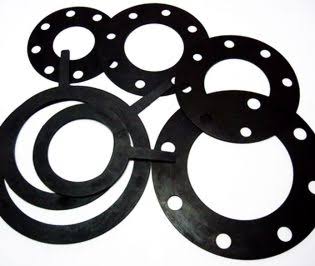
Whether you are sourcing heavy-duty dock seals, precision water treatment gaskets, or industrial oil seals, Bode’s infrastructure is built to deliver uncompromised quality on a massive scale.
H2: Product Advantages and Comprehensive Customization Services
Modern B2B procurement demands more than standard, off-the-shelf products. Facilities have unique architectural designs, specific environmental challenges, and distinct corporate branding requirements. Bode Dynamic excels in delivering fully bespoke sealing solutions.
Comprehensive Customization Capabilities:
- Tailored Dimensions: Loading docks come in various sizes. Bode engineers custom molds to ensure a perfect fit for any structural requirement, eliminating the energy leaks associated with “one-size-fits-all” seals.
- Material Adaptation: Based on the specific working conditions (e.g., extreme cold in Russian logistics hubs, or high humidity in Southeast Asia), Bode adjusts the rubber formulations to maximize durability.
- Aesthetic and Branding Customization: Bode offers custom color matching to align with facility aesthetics and can integrate custom corporate logos directly into the rubber molding process.
OEM and ODM Excellence:
Bode is not just a parts supplier; it is a full-service manufacturing partner.
- OEM (Original Equipment Manufacturer): If you have precise CAD drawings and specifications, Bode’s 30+ production machines will manufacture your design to the exact millimeter.
- ODM (Original Design Manufacturer): If you only have a concept or a problem to solve, the German engineering team will design, prototype, and manufacture the ideal sealing solution from scratch.
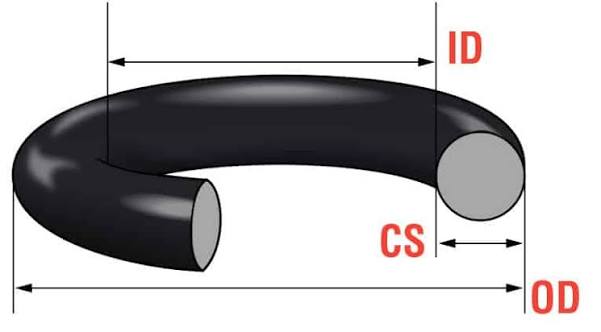
Beyond dock seals, Bode’s extensive catalog covers high-precision rubber rings, specialized seals for the water treatment sector, and high-performance oil seals, making them a one-stop-shop for industrial rubber procurement.
H2: Actionable Guide: A Procurement Checklist for B2B Buyers
To help procurement officers navigate the complex process of sourcing from overseas dock seal manufacturers, here is a practical, step-by-step methodology you can immediately apply:
Step 1: Conduct a Facility Audit (Define Your Requirements)
Before contacting a manufacturer, precisely define your operational environment.
- Action: Measure the exact dimensions of your dock doors. Record the maximum and minimum local temperatures, the frequency of daily loading cycles, and the types of trucks servicing your facility.
Step 2: Request Material Specifications and Data Sheets
Never accept generic terms like “high-quality rubber.”
- Action: Ask the manufacturer for Technical Data Sheets (TDS). Look for specific metrics: Shore A Hardness (typically 60-70 for seals), Tensile Strength (measured in MPa), and Elongation at Break.
Step 3: Evaluate Customization and Lead Times
Your project timeline is critical.
- Action: Inquire about mold creation costs and sample lead times. With a partner like Bode Seals, you can typically expect rapid prototyping due to their extensive network of partner factories and advanced machinery.
Step 4: Request a Sample and Conduct Field Testing
Do not place a bulk order based on a catalog picture.
- Action: Request a physical sample of the rubber compound. Test its compression set by heavily compressing it in a vise for 24 hours and measuring its rebound. Verify the color and logo finish if utilizing custom branding.
Step 5: Review Supply Chain Logistics
Ensure the supplier can deliver efficiently.
- Action: Choose a supplier located near major shipping hubs. Bode’s location in the Xiamen International Shipping Center drastically reduces inland transit times, lowering your overall freight costs and speeding up global delivery.
Conclusion: Partnering with Bode Seals for Your Next Project
Navigating the landscape of global dock seal manufacturers requires a keen understanding of material science, factory capabilities, and supply chain reliability. By focusing on critical factors like R&D strength, customization flexibility, and rigorous quality control, buyers can secure products that genuinely protect their facilities and lower operational costs.
Bode Dynamic encapsulates all the traits of a world-class manufacturing partner. With a strong foundation of German engineering, over 15 years of operational excellence in Xiamen since 2008, state-of-the-art equipment, and comprehensive OEM/ODM capabilities, Bode is uniquely positioned to solve your most complex sealing challenges. Do not settle for standard solutions when your operations demand precision. Contact Bode Seals today to begin your custom manufacturing journey and secure the highest quality rubber seals for your enterprise.