In the complex, highly regulated ecosystem of European industrial plumbing, municipal water networks, and heavy-duty hydraulic machinery, the smallest components dictate the operational integrity of the entire system. Across the European Union and the broader European market, extreme temperature fluctuations, aggressive water treatment protocols, and stringent environmental directives demand far more than commoditized, off-the-shelf rubber components. Seal failure is never a minor maintenance inconvenience; it is a critical vulnerability that can trigger catastrophic system downtime, environmental contamination, and severe regulatory penalties. For procurement directors, sourcing engineers, and technical managers operating within Europe, identifying a reliable sealing partner requires a rigorous balancing act between advanced material science, stringent regional compliance, and scalable production economics. This comprehensive guide explores the technical mechanisms of pipe seal failure, actionable auditing strategies for European supply chains, and how global leaders like Bode are establishing the benchmark for customized sealing technologies.
The Complex Realities of European Water Treatment and Industrial Piping Systems
Modern European plumbing, municipal water distribution, and hydraulic systems operate under a matrix of intense physical and regulatory stressors. Understanding these operational challenges is the foundational step for any engineering team tasked with optimizing pipeline reliability.
- Stringent Regulatory Frameworks: Unlike regions with less centralized oversight, Europe enforces exceptionally strict compliance standards for materials in contact with drinking water. Standards such as KTW (Germany), ACS (France), and WRAS (United Kingdom) dictate that sealing elastomers must not leach toxic chemicals or alter water purity. Sourcing uncertified seals can result in immediate legal shutdowns.
- Pressure Dynamics and Extrusion Risks: High-pressure industrial pipelines and municipal water mains subject sealing elements to massive directional forces. If an elastomer lacks the correct durometer and tensile strength, the material physically extrudes into the micro-gaps between mating metal flanges, leading to rapid blowout and catastrophic leakage.
- Thermal Cycling Across Diverse Climates: European weather varies dramatically, from the freezing sub-zero winters of Scandinavia to the high summer heat of Southern Europe. When elastomers are compressed over time under fluctuating temperatures, they can lose their elastic memory—a failure mode known as compression set. High-performance seals must maintain rebound resilience across these extremes.
- Aggressive Disinfectants and Chemical Exposure: European water treatment facilities utilize various disinfection methods, including ozone, chlorine dioxide, and chloramines. These aggressive oxidizers rapidly degrade substandard rubber compounds, causing embrittlement, surface cracking, and total structural failure.
Material Science Masterclass: Selecting Elastomers for European Standards
The foundation of any reliable pipeline or oil seal is engineered at the molecular level. While standard commercial factories purchase generic, off-the-shelf rubber mixes, the best Custom O-ring manufacturers formulate specific polymer blends tailored precisely to the chemical and physical demands of the application.
- EPDM (Ethylene Propylene Diene Monomer) for Potable Water:
- Core Attributes: EPDM is the gold standard for municipal water treatment, hot water, and steam applications. It offers extraordinary resistance to ozone, weathering, and UV radiation.
- Technical Differentiator: For European compliance, EPDM must often be peroxide-cured rather than sulfur-cured. Peroxide crosslinking provides vastly superior resistance to high temperatures and aggressive water disinfectants like chlorine dioxide.
- NBR (Nitrile Butadiene Rubber) for Oil Sealing:
- Core Attributes: NBR is the workhorse of industrial hydraulics, gear pumps, and oil seals, providing exceptional resistance to mineral oils and petroleum-based fluids.
- Technical Differentiator: Performance is dictated by Acrylonitrile (ACN) content. High ACN content maximizes oil resistance, while low ACN ensures low-temperature flexibility. Expert compounders balance this ratio based on the exact operating environment.
- FKM (Fluoroelastomer) for Extreme Chemical Environments:
- Core Attributes: When pipelines handle corrosive industrial chemicals or high-temperature oil systems exceeding 200°C, FKM is mandatory.
- Technical Differentiator: FKM maintains mechanical integrity where standard elastomers dissolve or melt, making it essential for heavy chemical processing plants across Europe.
Actionable Advice for Engineers: Always require a complete Material Safety Data Sheet (MSDS) and chemical compatibility matrix before approving a compound for European projects. Ensure that potable water components hold explicit regional certifications (such as KTW-BWGL or WRAS) to avoid costly redesigns.
The BodeDynamic Model: Blending German R&D with Global Scale
Identifying a manufacturing partner capable of executing advanced polymer chemistry at a globally competitive scale is the ultimate objective of supply chain management. Bode (BodeDynamic) has emerged as an industry leader by combining elite European engineering with highly optimized, scalable production infrastructure.
Established as a specialized custom manufacturing branch in Xiamen, China, in 2008, Bode operates with a distinct, highly efficient business model tailored to global industrial demands:
- Front-End German R&D Expertise: The critical phase of seal manufacturing—the precise formulation of raw rubber compounds—is directed by engineers at Bode’s German headquarters. This ensures that the material chemistry strictly adheres to rigorous European industrial standards.
- Strategic Global Location: Bode’s Xiamen branch is situated in the scenic and logistically advantageous Huli District International Shipping Center. This location provides direct access to major international shipping routes, ensuring seamless freight forwarding to European distribution hubs.
- Robust Manufacturing Footprint: The facility features a modern office building, over 100 dedicated employees, and 30 advanced production machines, including high-precision compression and injection molding systems.
- Scalable Cooperative Network: To guarantee infinite production capacity for large-scale European orders, Bode actively collaborates with 5 specialized partner factories dedicated to efficient finished product processing.
Why Bode Stands as a Leading Custom Seals Manufacturer
Securing the status of the best Custom Seals manufacturer requires more than mass production; it demands deep vertical specialization and an unwavering commitment to solving complex engineering challenges. Bode focuses intensely on two critical industrial sectors: Water Treatment Systems and Oil Sealing Applications (including hydraulic pumps, industrial valves, and gear pumps).
- Tailored Compound Development: Rather than offering a one-size-fits-all catalog, Bode’s German-led R&D team formulates custom elastomer blends to match unique working conditions, such as high-friction hydraulic environments or FDA-compliant potable water lines.
- Complete Customization Suite: Bode provides total flexibility across all product parameters, including custom dimensional tolerances, specialized durometers, specific corporate branding colors, and embossed company logos.
- OEM and ODM Excellence: Bode seamlessly integrates with client engineering teams to deliver comprehensive Original Equipment Manufacturer (OEM) and Original Design Manufacturer (ODM) services, taking products from initial conceptual drawing to mass production with absolute fidelity.
Actionable Procurement Audit for Custom O-Ring Buyers
When European enterprises source custom sealing components, mitigating supply chain risk is paramount. Identifying the best Custom O-ring manufacturers requires a systematic, multi-step auditing framework. Procurement teams should execute this checklist when vetting factory partners:
- Step 1: Verify Raw Material Traceability
- Action: Demand documentation proving the exact origin and compounding history of the raw polymers.
- Why it matters: Top-tier manufacturers like Bode transparently track how German-engineered polymer batches move through the production lifecycle, ensuring zero variance between batches.
- Step 2: Audit Quality Control Automation
- Action: Inquire whether the factory relies on manual inspection or automated sorting systems.
- Why it matters: Reliable suppliers utilize Automated Optical Inspection (AOI) machinery to scan every single O-ring, instantly rejecting parts with micro-tears, excess flash, or dimensional deviations.
- Step 3: Evaluate Prototyping and Tooling Speed
- Action: Request the average turnaround time for custom steel mold creation and sample prototyping.
- Why it matters: In-house tooling capabilities drastically compress development timelines. Bode’s advanced facility allows for rapid tooling, delivering physical prototypes for testing within days.
- Step 4: Request Full Compliance Documentation
- Action: Check for standardized quality management certifications, such as ISO 9001, alongside region-specific regulatory reports.
- Why it matters: Certified manufacturing processes guarantee repeatability, stability, and adherence to European regulatory expectations.
OEM and ODM Solutions: Tailoring Seals for Complex European Fluid Dynamics
Standard catalog components frequently fail to accommodate the unique geometry of innovative European valve designs or advanced filtration units. Consequently, customized engineering is essential.
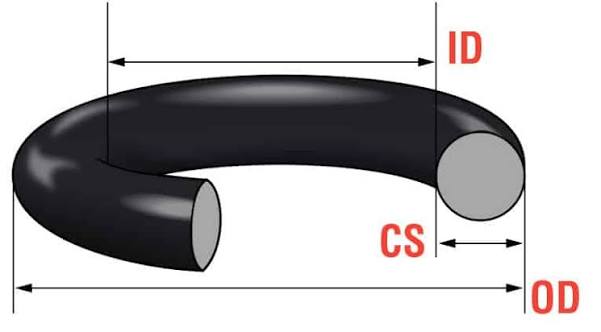
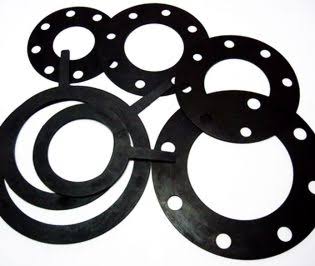
- Precision Geometry Adaptation: Whether designing multi-lip seals for specialized hydraulic gear pumps or custom rectangular gaskets for water purification manifolds, Bode engineers the exact cross-section required for optimal sealing performance.
- Working Condition Customization: Clients define their operating parameters—maximum fluid pressure, temperature ranges, dynamic cycle speeds, and chemical exposure. Bode formulates the precise rubber compound engineered to thrive under those exact conditions.
- Brand Protection and Traceability: For aftermarket replacement parts, custom colors and embossed logos prevent counterfeit components from entering the supply chain, ensuring end-user safety and brand protection across European markets.
Future-Proofing European Industrial and Municipal Supply Chains
The industrial sealing sector is evolving rapidly in response to technological modernization and environmental regulations across Europe. Procurement strategies must adapt to these shifting paradigms.
- Integration with Smart Infrastructure: The rise of IoT-enabled smart pipelines requires seals that accommodate embedded sensor wiring without compromising pressure boundaries. Manufacturers must develop advanced multi-material hybrid designs.
- Stricter Environmental Compliance: As European environmental agencies tighten regulations on chemical leaching and industrial waste, the demand for ultra-pure, heavily certified elastomers will continue to accelerate. Partnering with a manufacturer that controls its compound R&D ensures immediate compliance.
- Sustainable Manufacturing Practices: ESG-conscious corporations increasingly evaluate the carbon footprint of their supply chains. Factories optimizing their curing cycles and minimizing material waste through precision molding will lead the market.
For European enterprises seeking uncompromising engineering and reliable sealing solutions, the choice of manufacturing partner determines long-term infrastructure viability. Bode offers the ultimate synthesis of precision German R&D and scalable Xiamen manufacturing. Elevate your supply chain standards and ensure absolute operational reliability. Contact Bode today to initiate your custom engineering consultation, and discover why they remain a premier choice for global leaders in fluid dynamics.