The North American packaging landscape is undergoing a massive transformation driven by rapid growth in the pharmaceutical, cosmetic, personal care, and chemical industries. Across the United States and Canada, consumer expectations for product safety, aesthetic consistency, and tamper-evident packaging have never been higher. At the heart of these high-speed, automated production lines lies a critical piece of capital equipment: the tube filling system.
Selecting the right tube filling machine manufacturer is no longer a routine purchasing decision; it is a strategic choice that dictates plant efficiency, regulatory compliance, and long-term profitability. Whether packaging high-viscosity pharmaceutical ointments, organic facial creams, or industrial adhesives, North American plant managers require machinery that delivers flawless dosing accuracy, rapid format changeovers, and absolute sanitary integrity.
This comprehensive guide explores the core criteria, regulatory demands, and engineering excellence required when partnering with a premier tube filling machine manufacturer for operations in North America.
The Evolution of Packaging Automation in the North American Market
Industrial packaging in North America is defined by high labor costs, strict throughput demands, and an uncompromising intolerance for line downtime. Modern manufacturing facilities in states like California, New Jersey, and Illinois, as well as Ontario and Quebec in Canada, demand advanced automation solutions that integrate seamlessly with existing upstream and downstream equipment.
- Rise of Multi-Format Versatility: Modern tube lines must handle an array of materials—including aluminum, plastic, and laminated tubes—with equal precision. Top manufacturers now engineer quick-change tooling that allows operators to switch tube diameters and lengths in under 30 minutes.
- Integration with Smart Factory Systems: Industry 4.0 integration is a mandatory baseline in North America. Leading machines feature programmable logic controllers (PLCs) with Ethernet connectivity, enabling real-time Overall Equipment Effectiveness (OEE) tracking, remote diagnostics, and predictive maintenance alerts.
- Sustainability Pressures: With North American consumers favoring eco-friendly packaging, manufacturers must ensure their tube filling equipment can gracefully handle post-consumer recycled (PCR) plastics and thinner, eco-laminated tubes without compromising seal integrity.
Core Criteria for Evaluating a Tube Filling Machine Manufacturer
When auditing potential machinery partners, engineering teams and procurement officers must look beyond initial sticker prices and evaluate the foundational engineering capabilities of the supplier.
- Volumetric Dosing Precision: Tube filling requires exact control over product dosage to prevent expensive product giveaway or underfilled containers. Top-tier manufacturers utilize high-precision ceramic piston pumps or servo-driven peristaltic systems that guarantee dosing accuracy within $\pm 0.5\%$.
- Hermetic Sealing Reliability: Whether dealing with hot-air sealing for plastic tubes or cold-crimping for aluminum, the sealing station is the most critical juncture of the machine. A weak seal results in catastrophic leakage during transit or retail display.
- Robust Build Quality: Heavy-duty stainless steel construction (typically 304 or pharmaceutical-grade 316L) ensures the machine can withstand harsh industrial environments and frequent washdowns.
Navigating North American Regulatory Compliance (FDA, cGMP, and OSHA)
Operating production facilities in the US and Canada subjects manufacturers to some of the strictest regulatory frameworks in the world. A qualified tube filling machine manufacturer must design their equipment from the ground up to clear these hurdles effortlessly.
- cGMP and FDA Compliance: For pharmaceutical and cosmetic applications, equipment must adhere to current Good Manufacturing Practices (cGMP). This mandates sanitary design principles—such as crevice-free product pathways, smooth surface finishes (Ra $< 0.8 \, \mu\text{m}$), and easy-to-disassemble filling nozzles.
- Clean-in-Place (CIP) and Sterilization-in-Place (SIP): To minimize biological contamination and reduce cleaning downtime, advanced tube filling machines feature automated CIP/SIP capabilities, allowing internal fluid paths to be sanitized without manual dismantling.
- Electrical and Safety Certifications (UL, CSA, and OSHA): North American safety inspectors strictly enforce electrical codes. Machines must feature components certified by Underwriters Laboratories (UL) or the Canadian Standards Association (CSA). Furthermore, safety guarding must comply with OSHA standards, incorporating interlocked safety doors that immediately halt machine motion if breached.
The Vital Role of Component Integrity: From Seals to Pneumatics
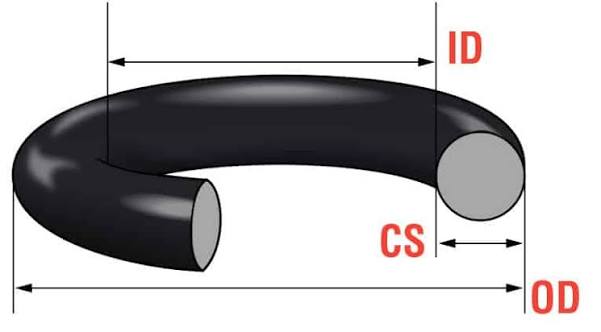
A tube filling machine is only as reliable as its smallest internal component. Even a multi-million-dollar packaging line can be crippled by the failure of a low-cost elastomer seal or valve O-ring exposed to aggressive chemicals or active pharmaceutical ingredients (APIs).
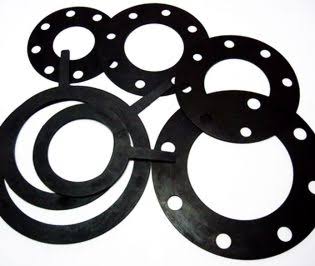
- Preventing Contamination: High-end machines utilize FDA-compliant elastomers (such as medical-grade EPDM, FKM, or PTFE) for all product-contact seals. When sourcing custom seals for filling nozzles and pneumatic actuators, partnering with specialized component experts—such as advanced sealing manufacturers like BodeDynamic—ensures that every ring and gasket resists aggressive chemical attack and thermal cycling.
- Resisting Harsh Cleaning Agents: Daily exposure to steam, hot water, and strong sanitizing agents (like peracetic acid or quaternary ammonium compounds) destroys standard rubber. Premium sealing technology prevents swelling, cracking, and particle shedding into the product stream.
Actionable Sourcing Framework for North American Procurement Officers
Navigating international supply chains to source capital equipment requires a structured, risk-mitigated approach. Procurement professionals should deploy this tactical framework:
- Define Operational Parameters (The STAMPS Method): Clearly document your Size range (tube diameter/length), Temperature requirements, Application speed (tubes per minute), Media characteristics (viscosity, abrasiveness, chemical makeup), Pressure, and Safety standards.
- Request Factory Reference Audits: Demand proof of installations within North America. Speak directly to existing plant managers who operate the manufacturer’s equipment under similar production loads.
- Evaluate Total Cost of Ownership (TCO): Factor in energy consumption, spare parts availability, changeover times, and expected machine lifespan. A slightly higher initial investment in a robust, precision-engineered machine easily yields a positive ROI within 18 to 24 months through reduced waste and zero unplanned downtime.
- Confirm After-Sales Technical Support: Ensure the manufacturer provides responsive remote troubleshooting, readily available replacement parts shipped from North American warehouses, and comprehensive operator training programs.