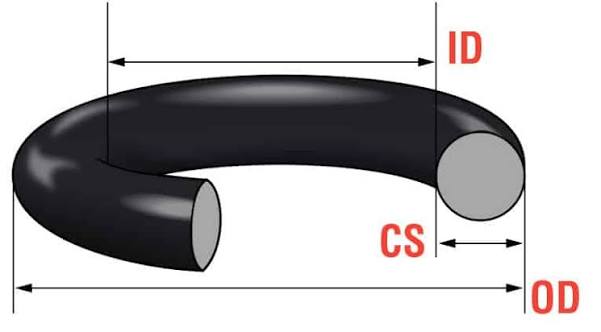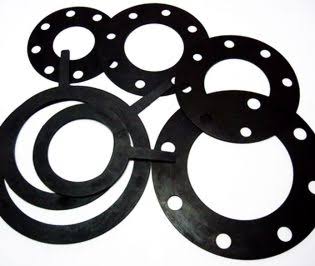
In the complex landscape of industrial infrastructure, the integrity of a pipeline system relies heavily on its weakest points: the penetrations. Whether routing pipes through concrete foundations, steel bulkheads, or underground vaults, engineers face the constant threat of hydrostatic pressure, chemical leaks, and environmental contamination. Selecting a reliable link seal manufacturer is not merely a purchasing task; it is a critical risk-mitigation strategy. A high-quality modular sealing system ensures absolute structural defense, preventing catastrophic water ingress and absorbing mechanical vibrations. This guide explores the advanced mechanics of elastomeric sealing, outlines actionable procurement strategies, and details how BodeDynamic leverages German engineering to deliver world-class customized sealing solutions.
The Engineering Mechanics of Modular Link Seals
To make informed sourcing decisions, procurement officers and engineers must first understand the specific mechanical principles that govern modular link seals. These devices are far superior to traditional rigid sealing methods like cement or friction rings, operating on principles of fluid dynamics and mechanical compression.
- Radial Expansion Technology: A link seal consists of interlocking elastomeric rubber links, compression plates, and high-tensile bolts. When a technician tightens the bolts, the pressure plates compress the rubber links. This linear compression forces the elastomer to expand radially, entirely filling the annular space between the carrier pipe and the wall sleeve to create an impenetrable barrier.
- Hydrostatic Pressure Resistance: Premium seals are engineered to withstand severe hydrostatic head pressure. When properly installed, these systems can typically hold back up to 20 psig (approximately 40 feet of static water head), making them indispensable for deep-level municipal water treatment facilities.
- Cathodic Protection and Electrical Isolation: By creating a dense elastomeric barrier, the seal acts as a potent electrical insulator. This isolates the metallic carrier pipe from the surrounding structure, effectively neutralizing galvanic corrosion—a leading cause of underground pipeline deterioration.
- Vibration Dampening: In industrial environments featuring heavy pumping equipment, pipelines are subjected to constant kinetic stress. The flexible nature of vulcanized rubber absorbs mechanical shocks and dampens sound waves, protecting both the pipe and the concrete structure from stress fractures.
Evaluating Factory Strength and Production Capacity
Sourcing from a proven link seal manufacturer requires verifying their actual production infrastructure rather than relying on trading company brochures. Bode (BodeDynamic) stands as a testament to scalable, high-precision manufacturing, combining European oversight with Asian production efficiency.
- Strategic Global Footprint: Established in 2008, Bode’s Chinese branch is strategically located in the International Shipping Center of Huli District, Xiamen. This modern office and logistical hub allows for rapid global export, minimizing transit times for international B2B clients.
- German Engineering Oversight: The foundation of Bode’s quality control rests on our German headquarters. Elite engineers manage all front-end rubber compounding, material R&D, and tooling design, ensuring that every product aligns strictly with European industrial standards.
- Robust Manufacturing Ecosystem: Rather than relying on a single bottlenecked facility, Bode operates a decentralized yet highly synchronized network of 5 cooperative factories dedicated to finished product processing.
- Advanced Equipment and Dedicated Workforce: The production floor utilizes over 30 advanced manufacturing machines, including precision injection molding and vulcanization presses. Supported by a skilled workforce of over 100 dedicated employees, Bode guarantees consistent output even during high-volume production runs.
Advanced Material Science in Elastomer Production
The core competency of a top-tier link seal manufacturer lies in material science. Generic rubber degrades rapidly under UV exposure, chemical attacks, or extreme temperatures. Bode engineers specific elastomer compounds tailored to distinct environmental threats.
- EPDM (Ethylene Propylene Diene Monomer): Engineered for the water treatment sector, our EPDM links offer exceptional resistance to ozone, UV radiation, and water aging. They maintain structural integrity in temperatures ranging from -40°C to 120°C, ensuring decades of leak-proof performance in municipal reservoirs and wastewater plants.
- NBR (Nitrile Butadiene Rubber): Tailored specifically for the oil and gas industry, NBR compounds are formulated to resist aggressive hydrocarbons, hydraulic fluids, and industrial greases. These are critical for pipeline pump stations and refinery penetrations where standard rubber would quickly swell and fail.
- Silicone and Specialty Elastomers: For extreme thermal environments, such as power generation facilities or steam lines, specialized high-temperature elastomers are deployed.
- Batch Testing Protocols: Every raw material batch is subjected to rigorous laboratory testing, including Shore A hardness evaluations using professional durometers and tensile strength analysis, guaranteeing zero deviation from the engineered specifications.
OEM and ODM Customization Capabilities
Industrial projects frequently present unique challenges that off-the-shelf products cannot solve. BodeDynamic differentiates itself through deep OEM (Original Equipment Manufacturer) and ODM (Original Design Manufacturer) service capabilities, adapting to the exact specifications of our clients.
- Tailored Dimensional Engineering: Beyond standard pipe diameters, our engineering team designs bespoke rubber rings and custom seals for irregular annular spaces, non-standard casing pipes, or specialized machinery interfaces.
- Custom Compounding for Unique Work Conditions: If your project involves atypical chemical exposures—such as high-concentration acids in a mining facility—our German R&D team will synthesize a custom polymer blend specifically designed to survive those exact operational hazards.
- Branding and Aesthetic Integration: We fully support white-label B2B purchasing. Clients can request custom rubber colors to match specific industry coding standards (e.g., safety yellow or potable water blue) and have their corporate logo precision-molded directly into the rubber links or pressure plates.
- Rapid Prototyping Workflows: Utilizing advanced CAD modeling, we translate client requirements into viable prototypes swiftly, ensuring that custom sealing solutions are tested and validated without delaying your broader construction schedules.
Global Industry Applications for Sealing Systems
BodeDynamic’s engineered seals are trusted across a diverse spectrum of heavy industries. Understanding these applications helps buyers match the correct elastomer and hardware to their specific site requirements.
- Municipal Water and Wastewater: Sealing pipe penetrations in concrete holding tanks, desalination plants, and subterranean water mains to prevent groundwater infiltration and protect potable water supplies.
- Petrochemical and Refining: Utilizing NBR oil seals in harsh refinery environments to secure containment zones and prevent volatile organic compounds (VOCs) from breaching structural barriers.
- Commercial and High-Rise Construction: Securing HVAC piping, fire sprinkler mains, and plumbing systems where they intersect with structural foundations and fire-rated walls, ensuring compliance with building safety codes.
- Telecommunications and Energy Infrastructure: Protecting subterranean fiber-optic conduits and high-voltage cable vaults from moisture ingress, which is vital for preventing electrical shorts and data transmission failures.
Actionable Procurement Strategies for B2B Buyers
Evaluating an overseas link seal manufacturer requires a systemic approach to verify quality and capability. Procurement teams should implement the following audit steps before finalizing bulk orders.
- Demand Material Validation: Do not accept generalized safety sheets. Require specific batch test reports detailing compression set percentages, elongation at break, and tensile strength. Verify that the materials meet RoHS and REACH compliance standards.
- Specify Hardware Grades: The rubber is only half of the equation. Ensure the manufacturer uses high-grade corrosion-resistant hardware. For standard applications, specify zinc-dichromate plated steel; for acidic or marine environments, strictly require 316-grade stainless steel pressure plates and bolts.
- Evaluate Prototype Quality: Order physical samples before committing to production. Inspect the rubber links for “flashing” (excess material left from poor molding), which indicates substandard tooling.
- Assess Technical Responsiveness: Present the manufacturer with a complex hypothetical scenario (e.g., a pipe carrying 90°C fluid through a vibration-heavy zone). A professional factory will respond with calculated elastomer recommendations, whereas a generic supplier will simply offer their standard catalog item.
Best Practices for Sizing and Installation
The most advanced seal will fail if incorrectly specified or poorly installed. Engineers and site managers must utilize strict measurement and installation protocols to maximize the lifespan of the sealing system.
- Calculate the Annular Space Accurately:
- Action: Never rely on nominal pipe sizes. Physically measure the exact Outside Diameter (OD) of the carrier pipe and the Inside Diameter (ID) of the wall sleeve or cored hole using industrial calipers.
- Formula: Calculate the annular space using the formula: (ID – OD) / 2. Provide these precise figures to your manufacturer to guarantee the correct link model is supplied.
- Utilize Calibrated Tools:
- Action: Installation teams must use a calibrated manual torque wrench.
- Warning: Never use high-speed pneumatic impact drills, as they will cause uneven compression, permanently warp the pressure plates, and strip the bolt threads.
- Implement the Cross-Tightening Technique:
- Action: Tighten the bolts in a “star” or cross-pattern, moving clockwise but skipping every other bolt on the first pass. Make 3 to 4 continuous passes, tightening each bolt incrementally. Stop tightening when the elastomer visibly extrudes slightly between the pressure plates, indicating full radial expansion.
- Pre-Installation Site Prep: Ensure the interior of the cored concrete hole is completely free of dust, loose aggregate, and deep gouges. Apply a specialized epoxy coating to the concrete if the surface is excessively porous, as rough concrete can create micro-channels for water to bypass the rubber seal.